

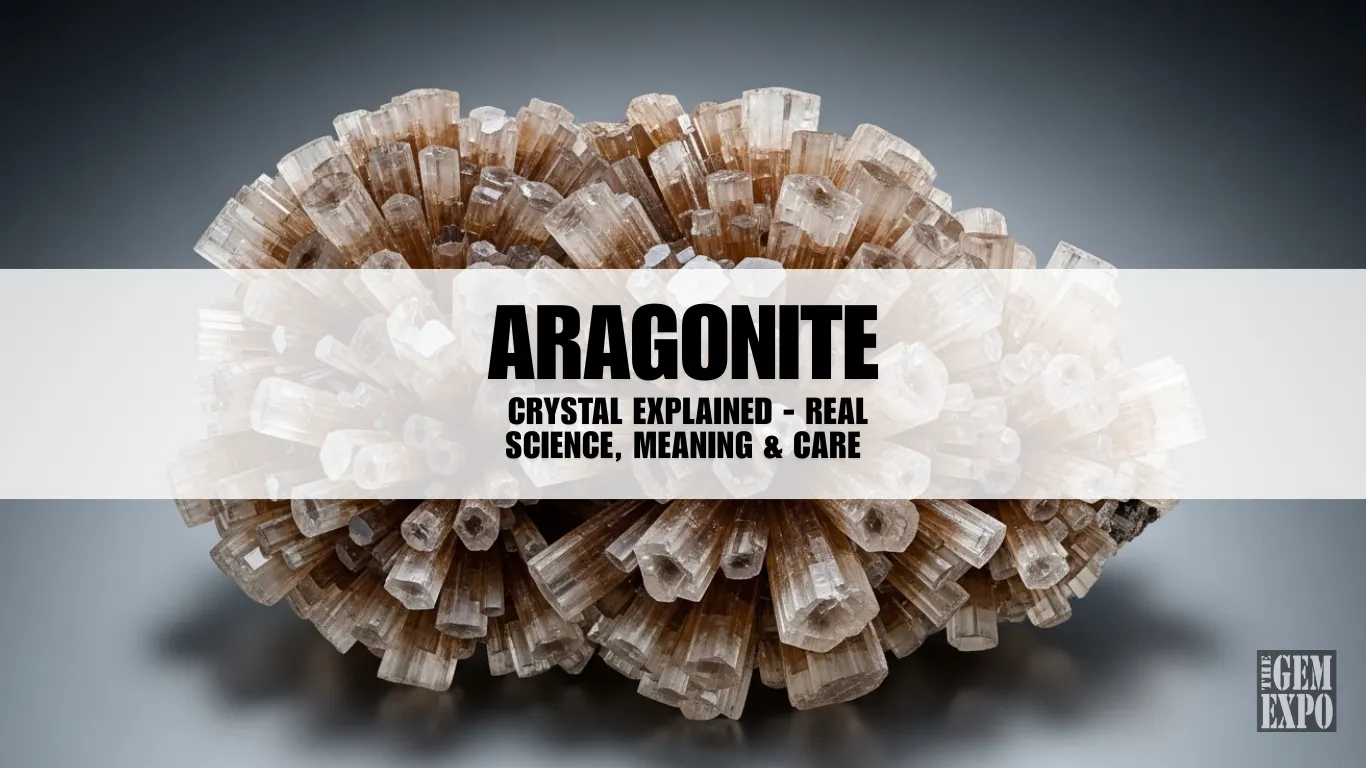

When people search for aragonite crystal, they are usually given one of two extremes: either a shallow spiritual description with recycled meanings or a dry mineral definition with no practical relevance. What is missing is a complete explanation that connects real mineral science, formation history, metaphysical use, and practical care in a way that actually answers what users want to know.
At The Gem Expo, aragonite is approached as both a geological material and a functional crystal. This guide is written to fill the informational gaps left by top-ranking pages, using accurate mineralogy, clear intent separation, and modern search behaviour insights to provide genuine information gain.
What Is Aragonite Crystal?
Aragonite crystal is a naturally occurring calcium carbonate mineral (CaCO₃) and one of the two most common polymorphs of calcium carbonate, the other being calcite. Although both share the same chemical composition, their internal crystal structures differ, resulting in distinct physical, geological, and energetic properties.
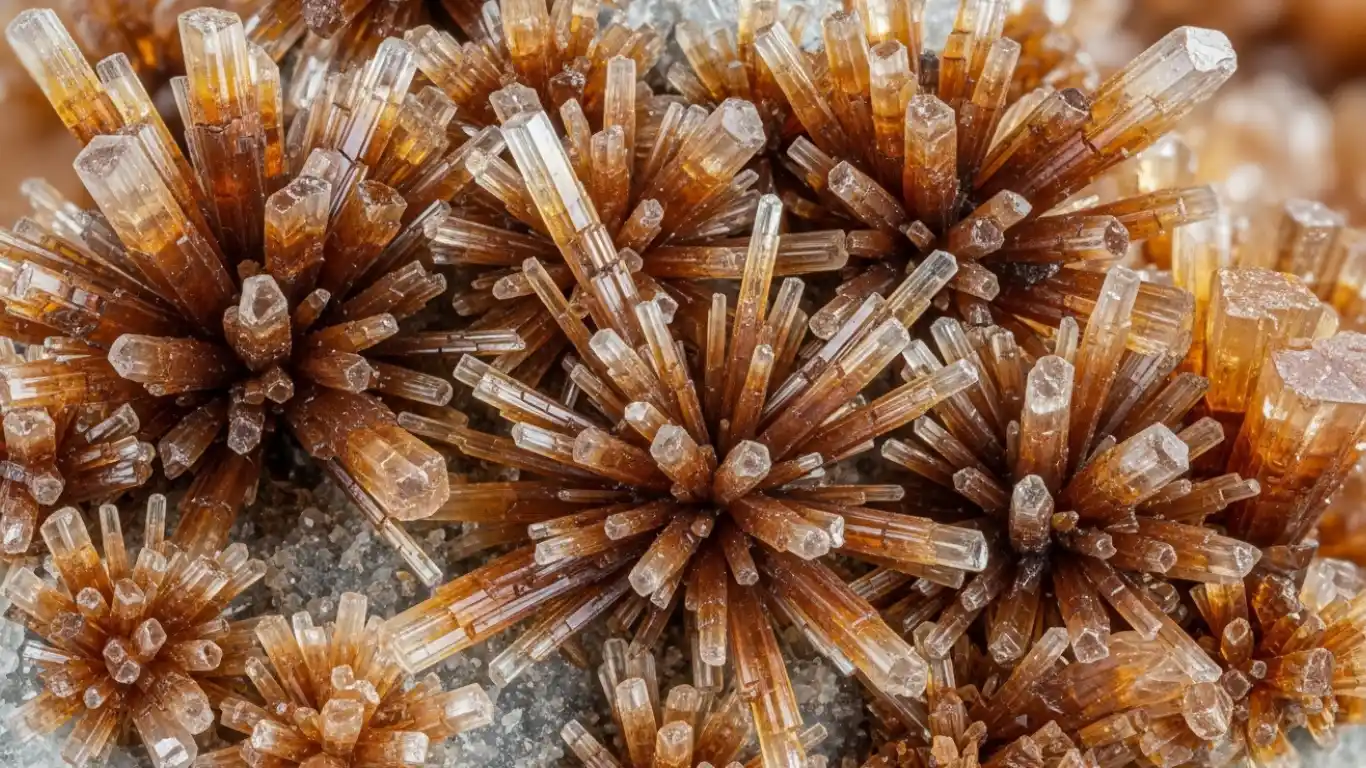
Aragonite crystallises in the orthorhombic crystal system, which gives rise to its characteristic needle-like, starburst, and branching formations. This structural difference is the foundation for many of aragonite’s unique behaviours, including its relative fragility and its grounding energetic profile.
Science and Geological Origin of Aragonite
From a geological standpoint, aragonite is classified as a sedimentary and biogenic mineral, forming under conditions of higher pressure, temperature, or biological influence than calcite.
Where Aragonite Forms Naturally
Aragonite forms in several specific environments:
- Marine settings (coral reefs, mollusc shells)
- Cave systems and hot springs
- Hydrothermal veins
- Sedimentary limestone deposits
Major sources of natural aragonite include:
- Spain (Molina de Aragón – type locality)
- Morocco
- Mexico
- Peru
These locations are frequently referenced in mineralogical literature due to the quality and stability of their specimens.
Formation Process and Crystal Structure
Unlike calcite, aragonite forms when calcium carbonate crystallises under higher pressure or rapid precipitation conditions. This is why aragonite commonly appears in environments influenced by ocean chemistry or geothermal activity.
Crystal Structure Explained Simply
- Chemical formula: CaCO₃
- Crystal system: Orthorhombic
- Atomic structure: Tightly packed lattice
This dense lattice explains why aragonite:
- Forms elongated needles and clusters
- Is less stable over long geological periods
- Can eventually transform into calcite
This transformation is scientifically documented and does not reduce aragonite’s value as a crystal; instead, it explains its temporary and dynamic nature.
Colours of Aragonite and What Causes Them
Aragonite crystal occurs in a wide range of natural colours, determined by trace elements and environmental conditions during formation.
| Colour | Cause |
|---|---|
| White / Colourless | Pure calcium carbonate |
| Brown / Amber | Iron content |
| Green | Nickel or copper traces |
| Blue | Rare copper-rich environments |
| Pink / Red | Manganese inclusion |
Natural colour variation is an important indicator of authenticity, especially when distinguishing aragonite from dyed carbonate minerals.
Aragonite and Sea Life: Biological Importance
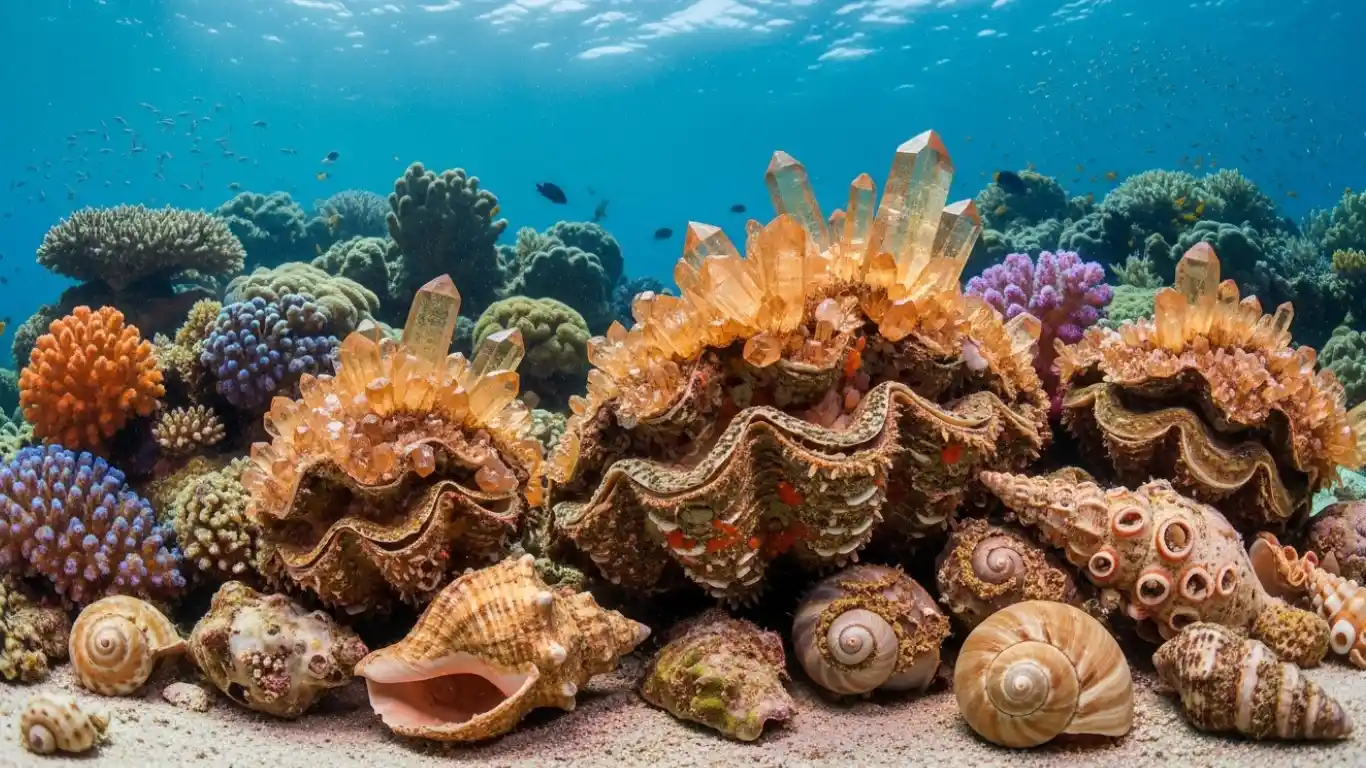
One of the most critical yet underexplained aspects of aragonite crystal is its role in marine biology. Many sea organisms rely on aragonite to build structural components:
- Coral skeletons
- Mollusk shells
- Certain plankton species
This biological formation process is why aragonite is central to reef stability and oceanic carbon regulation. The connection between aragonite and sea life also explains its energetic association with environmental balance and structural support.
Aragonite Crystal Meaning and Energy
The meaning of aragonite crystal is rooted in stability, grounding, and emotional regulation. Unlike high-frequency stones that stimulate rapid emotional change, aragonite works gradually by reinforcing internal structure and resilience.
Common energetic themes associated with aragonite include:
- Grounding scattered energy
- Supporting emotional discipline
- Encouraging patience and consistency
- Reducing energetic overload
At The Gem Expo, aragonite is often recommended for individuals seeking long-term balance rather than immediate stimulation. Unlike high-vibration stones that produce rapid effects, aragonite gently anchors energy, helping users maintain emotional stability over time. If you are exploring grounding crystals, you might also be interested in learning about the Amethyst Crystal. Meaning, Benefits, Uses, & Spiritual Power Explained, which complements aragonite’s stabilising properties while supporting clarity and intuition. Reading about both stones can help you choose the right crystal for your personal practice.
Is Aragonite a Good Stone for Grounding?
Aragonite crystal is widely regarded as one of the most effective grounding stones due to its earth-dominant energy and orthorhombic structure. It helps stabilise emotional responses by anchoring excess mental energy into the physical body, promoting calm focus and steady emotional processing rather than intensity.
Chakra Alignment and Energetic Associations
Primary Chakra Connection
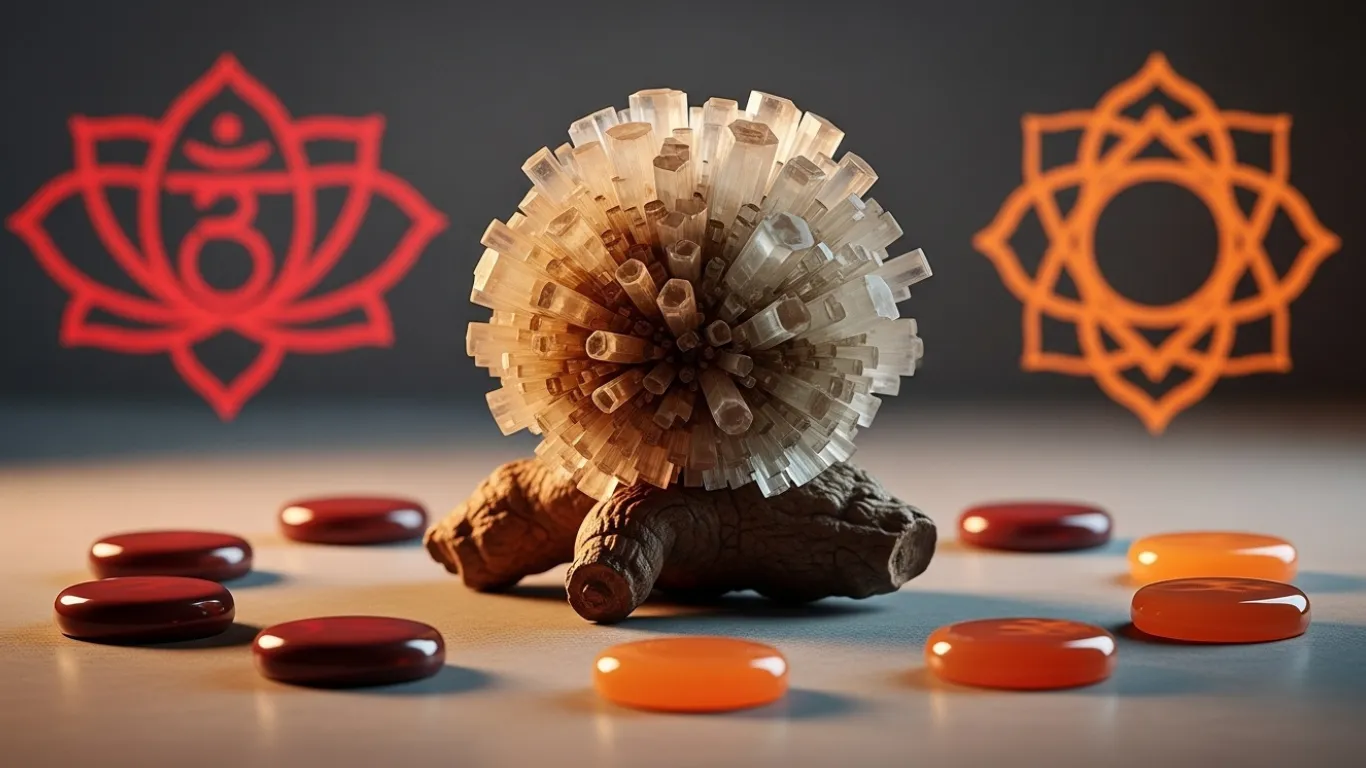
Aragonite is most strongly connected to the Root Chakra, supporting:
- Physical security
- Emotional grounding
- Sense of structure and safety
Secondary Influence
Some varieties, particularly blue and green aragonite, may influence the Sacral Chakra, assisting with emotional flow while maintaining stability.
Unlike many crystals, aragonite does not overstimulate the chakra system, making it suitable for consistent use.
Zodiac Signs, Planetary Influence, and Element
Zodiac Associations
- Capricorn
- Virgo
Planetary Influence
- Saturn (discipline, structure, responsibility)
Element
- Earth
These associations reinforce aragonite’s role as a crystal of practical grounding and long-term stability, rather than emotional intensity.
Physical Properties of Aragonite Crystal
Understanding the physical properties of aragonite crystal is essential for proper use and care.
| Property | Description |
|---|---|
| Chemical Formula | CaCO₃ |
| Crystal System | Orthorhombic |
| Mohs Hardness | 3.5–4 |
| Transparency | Transparent to translucent |
| Lustre | Vitreous to resinous |
The relatively low hardness directly affects how aragonite should be handled and stored.
Aragonite vs Calcite: Key Differences
Although aragonite and calcite share the same chemical composition, they differ significantly.
| Feature | Aragonite | Calcite |
|---|---|---|
| Crystal system | Orthorhombic | Trigonal |
| Stability | Less stable | More stable |
| Formation | High pressure / biological | Low pressure |
| Typical use | Specimens, metaphysical | Industrial, decorative |
This comparison is often missing from competitor content but is essential for understanding aragonite’s uniqueness.
Aragonite Compared to Other Grounding Stones
Jaser vs Aragonite
- Aragonite: gradual grounding, emotional regulation
- Jasper: protective, energising grounding
Aragonite vs Celestite
- Aragonite: grounding and stabilising
- Celestite: calming but upper-chakra focused
These distinctions help users select the right stone for their needs rather than relying on generic claims.
Historical Background of Aragonite
Aragonite was formally identified in the late 18th century in Spain. Historically, it was used more as a mineral specimen than a gemstone due to its fragility. Its importance increased with advancements in geology and marine biology, particularly in understanding coral reef systems.
In modern crystal practices, aragonite has gained recognition for its stabilising properties rather than ornamental durability.
How to Use Aragonite Crystal Safely
Due to its softness, aragonite crystal is best used in controlled settings such as:
- Meditation spaces
- Desk or workspace grounding
- Environmental energy balancing
- Display specimens
It is not recommended for daily-wear jewellery, especially rings or bracelets, due to its susceptibility to damage.
How to Clean and Care for Aragonite Crystal
Aragonite requires gentle care compared to harder minerals.
Cleaning Guidelines
- Avoid soaking in water
- Do not use salt
- Use a dry or lightly damp cloth
- Smoke or sound cleansing is preferred
Storage Recommendations
- Store separately from harder stones
- Avoid humidity and direct heat
- Use padded containers for clusters
Proper care preserves both physical integrity and energetic consistency.
Is Aragonite Fragile?
Yes, aragonite is relatively fragile compared to many popular crystals. With a Mohs hardness of 3.5–4, it can scratch or chip easily if mishandled. This fragility is a direct result of its crystal structure and formation conditions.
Are There Fake or Imitation Aragonite Crystals?
Imitation aragonite is rare, but misidentification does occur. Most commonly, calcite clusters or dyed carbonate minerals are sold as aragonite. Authentic aragonite typically shows needle-like or starburst formations, which are difficult to replicate artificially.
Why Aragonite Matters Today
In a modern context marked by overstimulation, stress, and emotional overload, aragonite crystal offers something uncommon: structural calm. Rather than amplifying emotion, it reinforces stability, making it relevant for people seeking grounding without suppression.
This practical relevance is one reason aragonite has become increasingly popular among collectors and energy practitioners alike.
FAQs
How long does it take for aragonite to charge energetically?
Aragonite crystal typically takes several hours to a full day to recharge energetically, depending on the method used. Sunlight, moonlight, or energy-clearing practices like sound or intention can influence charging time. Regularly recharging ensures the stone maintains optimal grounding and stabilising energy.
What is the difference between natural and synthetic aragonite for metaphysical use?
Natural aragonite forms in marine or sedimentary environments, offering authentic grounding energy and structural stability. Synthetic aragonite may mimic appearance but lacks the geological formation and biogenic origin that influence its metaphysical qualities. Practitioners usually prefer natural specimens for emotional and energetic effectiveness.
Can aragonite be safely placed in water for cleansing?
Aragonite crystal is fragile and should not be soaked in water for cleansing, as it can dissolve or lose structure. Lightly damp cloths, smoke, sound, or intention-based methods are safer alternatives. Proper care preserves both physical integrity and the stone’s energetic properties.
Does aragonite influence mental clarity in addition to emotional grounding?
Yes. While primarily a grounding stone, aragonite can support mental clarity by calming scattered thoughts and promoting focus. Its stabilising energy reduces mental overwhelm, allowing clearer decision-making, improved concentration, and balanced emotional processing during meditation or daily practice.
Final Thoughts
The aragonite crystal stands apart not because it is flashy, but because it is structurally honest. Its formation, composition, and behaviour align closely with its energetic reputation for grounding and balance. When understood through real science and proper context, aragonite becomes more than a decorative mineral. It becomes a tool for stability rooted in nature itself.
At The Gem Expo, an accurate understanding is the foundation of appreciation. Aragonite exemplifies how geology, biology, and human experience intersect in a single crystal.